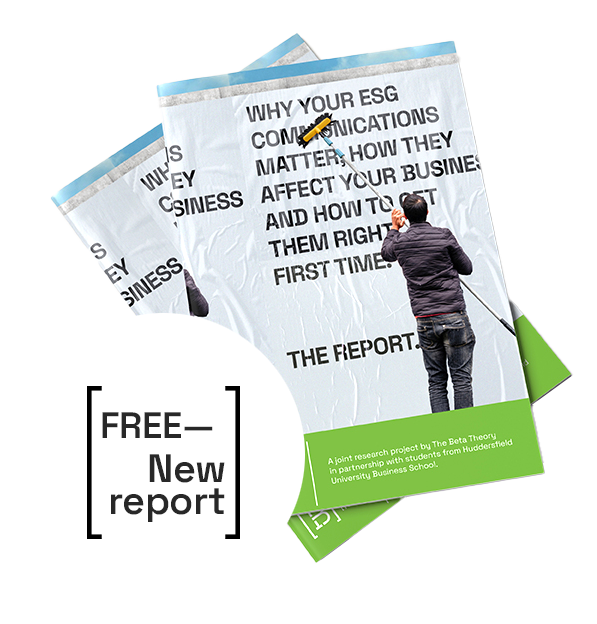
The one ESG mistake 7 out of 10 companies are making
Our new research with Huddersfield Business School reveals how most brands destroy trust without even realising it.
Turn your sustainability communications into a market advantage.
You may be “doing” sustainability - but are you getting it right?
So why do so many companies still present their green credentials with images of wind turbines, plant seedlings and heart shaped forests?
Get real. Because we’re all now more attuned to what “greenwashing” or “greenhushing” looks and feels like.
Declaring that you’re “on a journey to net zero” means absolutely nothing, if you’re unable to substantiate it.
ESG expectations are no longer optional. Investors benchmark it. Clients question it. Regulators monitor it. Every business is judged on what it does and how it talks about it. Yet most ESG communication either over-claims or under-explains, leaving audiences sceptical or disengaged.
You’re under pressure to say the right things about ESG. Investors expect progress. Customers expect proof. Your team expects clarity.
We help you turn sustainability from a compliance headache into a business strength. We strip away the buzzwords and build an authentic story that earns trust.
We’ve helped uncover the real stories behind businesses’ sustainability initiatives, from reduced waste in production to community partnerships and supply chain transparency. These stories build trust where reports alone cannot. If your message is either missing or misleading, we’ll fix that.
Making your sustainability story matter
We create an authentic narrative by stripping away the jargon and closing the communications gap, standing up to scrutiny, and building trust with your customers.
ESG
The Plan
ESG Advantage is a facilitated process designed to help our clients “unpack” the various strands of their ESG strategies and plot them into a systematic narrative that avoids “greenwashing” or “greenhushing”.
Sustainability is big. It’s a subject that brings with it a wide range of contexts and interpretations. By understanding what it means to your business, we can create SEO and GEO-rich content that reaches your target audience, and draws attention to the parts of your story that matter.
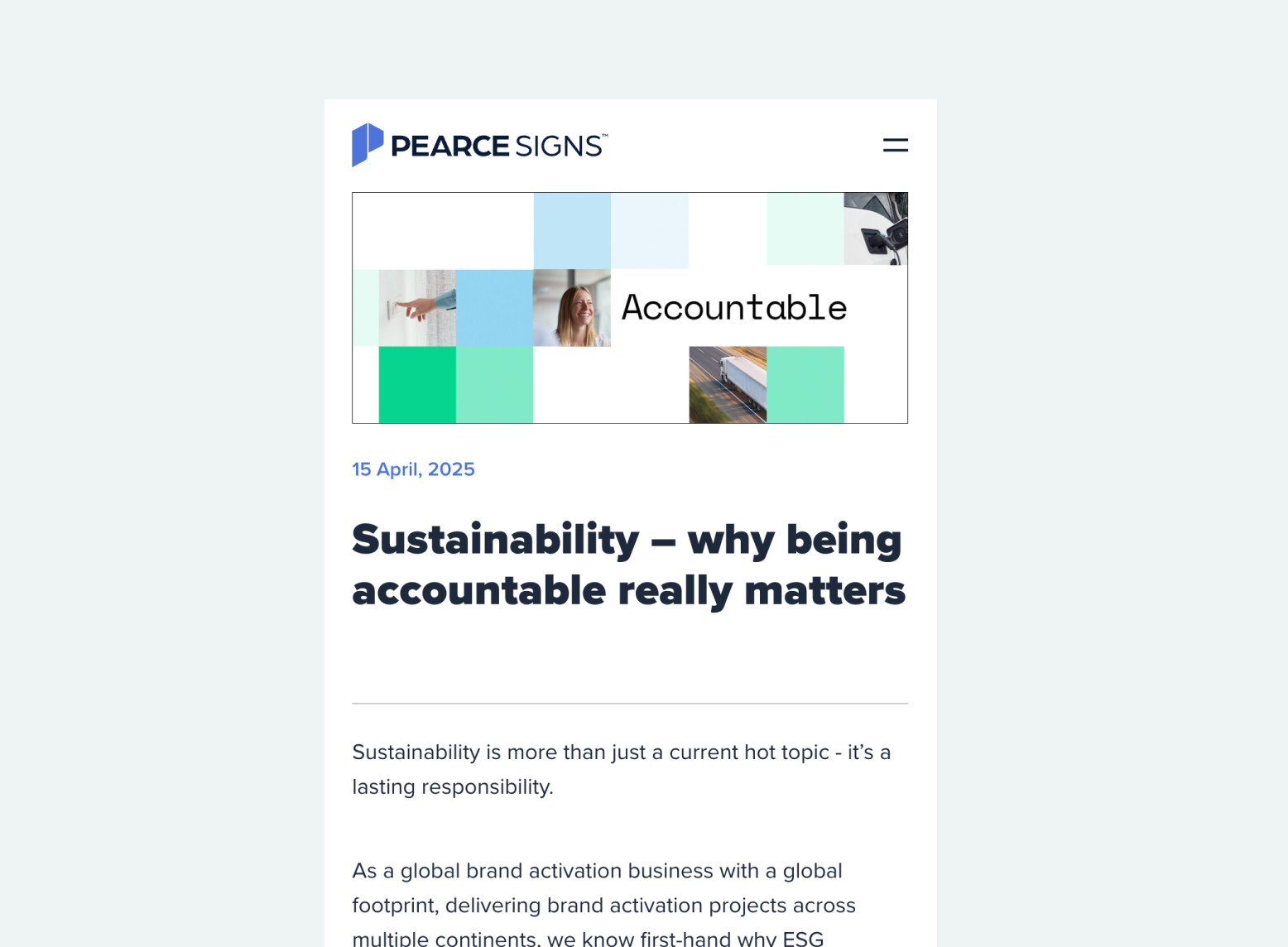
Your opinions matter - the blogs we write will prove this. Because both SEO and GEO algorithms place a high value on up-to-date knowledge, blogging is an essential cornerstone to your sustainability communications. Using our ever expanding knowledge of sustainability trends and academic research, we can help generate expert-led insights that create authority, and reflect both your challenges and intentions.
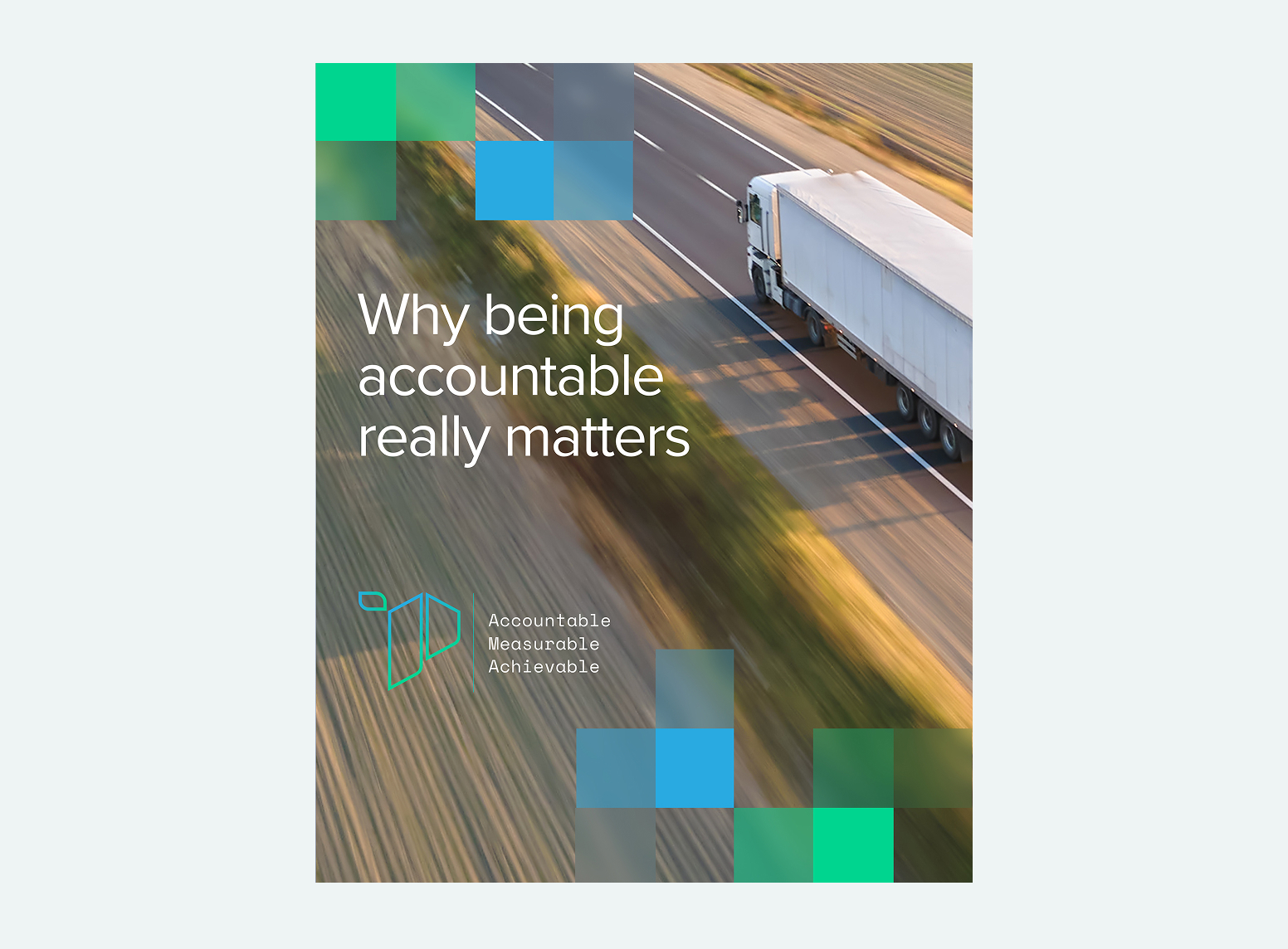
If you don’t talk about it, no one will know what you’re doing. Conversely, if you talk about it without supplying the evidence, people won’t buy into it. Your audience needs to see and believe what you’re saying - so we’ll also avoid visual clichés (wind farms, plant seedlings) and create engaging content that relates specifically to what you do, and supports your long term sustainability communications.

Because sustainability is now such a significant part of many companies' wider business agenda, it needs to be given greater prominence. The answer, then, is to develop an ESG sub-brand, specific web pages or visual devices, that give your communications a distinct identity. These can be used for both internal and external comms, and help create a strong “campaign” feel to your sustainability messaging which can also be used across social media platforms.
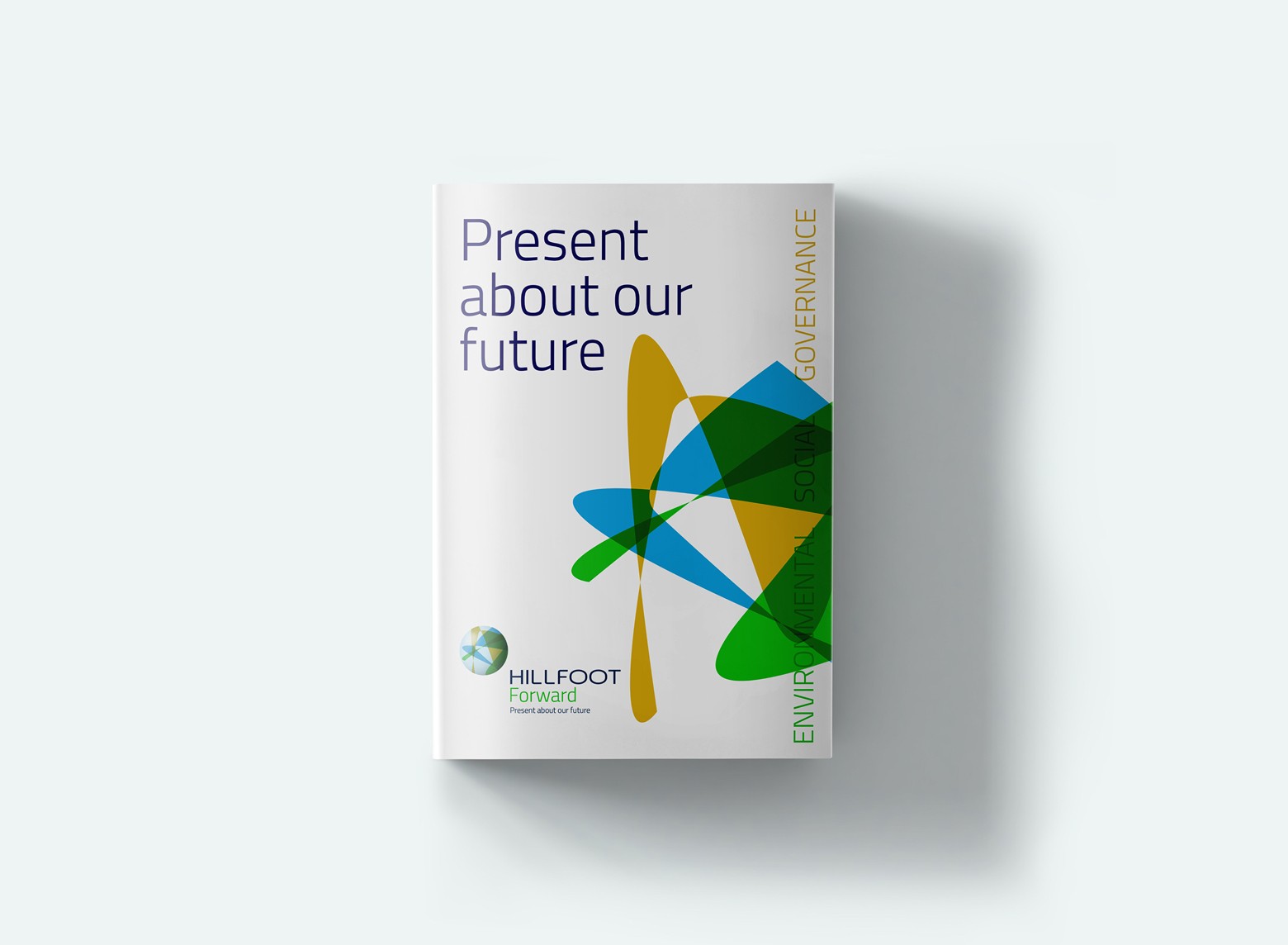
It’s not just your clients and suppliers that need to know about your sustainability ambitions. Your employees do too. They’re your key brand ambassadors. Everyone needs to be on the same page. So, a critical part of our sustainability communications strategy is to help our clients map out a staff education programme that feels democratic and informative in equal measure. Demystifying jargon and technology. Explaining your objectives. Inspiring people at every level.
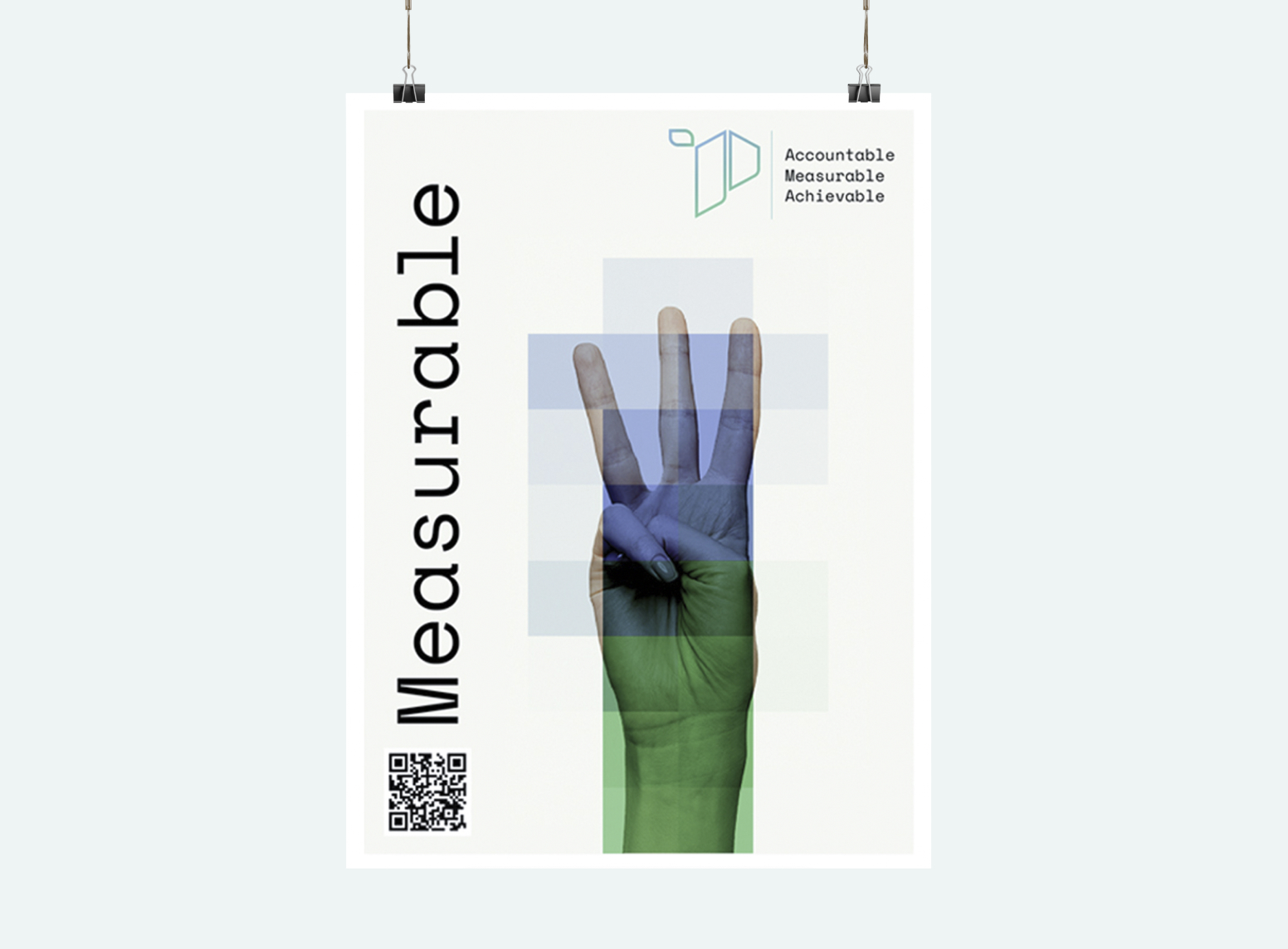
While digital-based marketing materials are the ultimate expression of sustainability best practice, we know that many clients want tangible printed materials too. Workplace posters, booklets and presentation materials for exhibitions or business development meetings make definitive statements about your goals and objectives. Obviously, we can also advise you on the most sustainable methods of printing and production, using FSG materials.
ESG
An outcome that stands up to scrutiny
An ESG story that feels effortless to tell because it’s built on truth. Investors see direction. Customers see integrity. Your people see leadership they believe in.
ESG
Further reading
Stay up to speed with the latest research and insights published by business and sustainability experts.
FAQs
Sustainability falls under the wider remit of ESG (environmental, government and social) practice, and refers to the environmental responsibilities and awareness that a company demonstrates to its clients, suppliers and employees.
Increasingly, companies need to demonstrate sustainability best practice for regulatory compliance, either within their industry sector, or within a wider framework of governmental legislation. In many cases, being able to demonstrate sustainability compliance is a scoring criteria for tender-based procurement.
Knowing what you want to achieve, and how close you are to achieving it is a good starting point. Your sustainability objectives should, however, be based on a wider reporting framework which sets the context for what you do. The fundamental basis of all sustainability strategies is a metrics system for measuring your progress against your objectives.
Companies often start with exploring how they can reduce their carbon footprint; use renewable energy sources for heating, lighting and ventilation; and find ways to reduce waste or increase their levels of recycling.
Companies that invest in our ESG programme benefit from our expertise in navigating a way forward from the starting point that we define together.
Net Zero is the objective of balancing the amount of greenhouse gases a business (or country) emits with the amount it removes from the atmosphere, aiming for no overall increase in emissions. It’s a key element of the global climate change strategy, and the UK government has committed to reaching Net Zero by 2050. For businesses, this means understanding and reducing their carbon footprint significantly (see Scope 1, 2 and 3 emissions) then offsetting any remaining emissions through methods like tree planting or carbon capture.
Scope 1, 2, and 3 emissions are officially recognised categories used to classify greenhouse gas emissions based on where they originate from a company's operations. Scope 1 includes direct emissions from sources owned or controlled by the company. Scope 2 encompasses indirect emissions from the generation of purchased energy. Scope 3 covers all other indirect emissions in the value chain, both upstream and downstream.
For many companies, these form a key part of their sustainability reporting metrics.
This is official advice from the UK government’s Competition & Market Authority, offering businesses key guidance on the environmental claims they can make about their products and services. This is designed to protect the buyer (corporate or domestic) from incorrect or misleading information.
Greenwashing often occurs when a company decides it doesn’t want to address the impact of its commercial activities - because it’s a difficult conversation.
So it makes claims that paint a false picture of its environmental activities, or gives undue emphasis to a small area of work where it is being responsible, while ignoring the more significant impact of its non environmental practices and behaviours.
This is where a company significantly under-communicates its sustainability actions, or hides them, for fear of backlash. Companies whose activities may seem to be environmentally damaging often feel under pressure to declare their hand, but instead decide to ignore making statements about the impact of their business activities on the environment.
RELATED CASE STUDIES


ESG
Components
Discover our other work programmes, designed to elevate your business.

Clarity Audits

Brand Evolution

Marketing
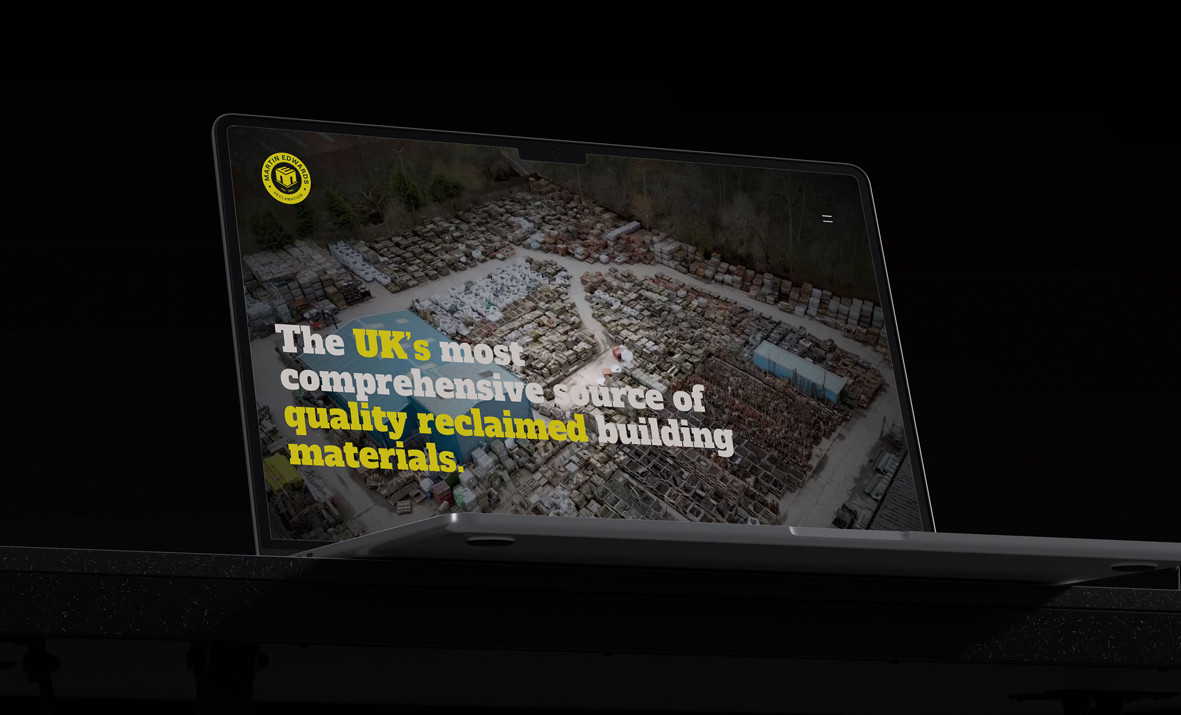
Web Development